Still using a Bar Soap, Why?

Still clinging to that bar soap? Bless your heart, you’re living in the past! While your trusty bar may feel classic, it’s time to realize that in the world of skincare, it’s simply outdated. That chalky feeling isn’t a badge of honor; it’s a sign your skin is being stripped, potentially leaving it dry, tight, and begging for hydration.
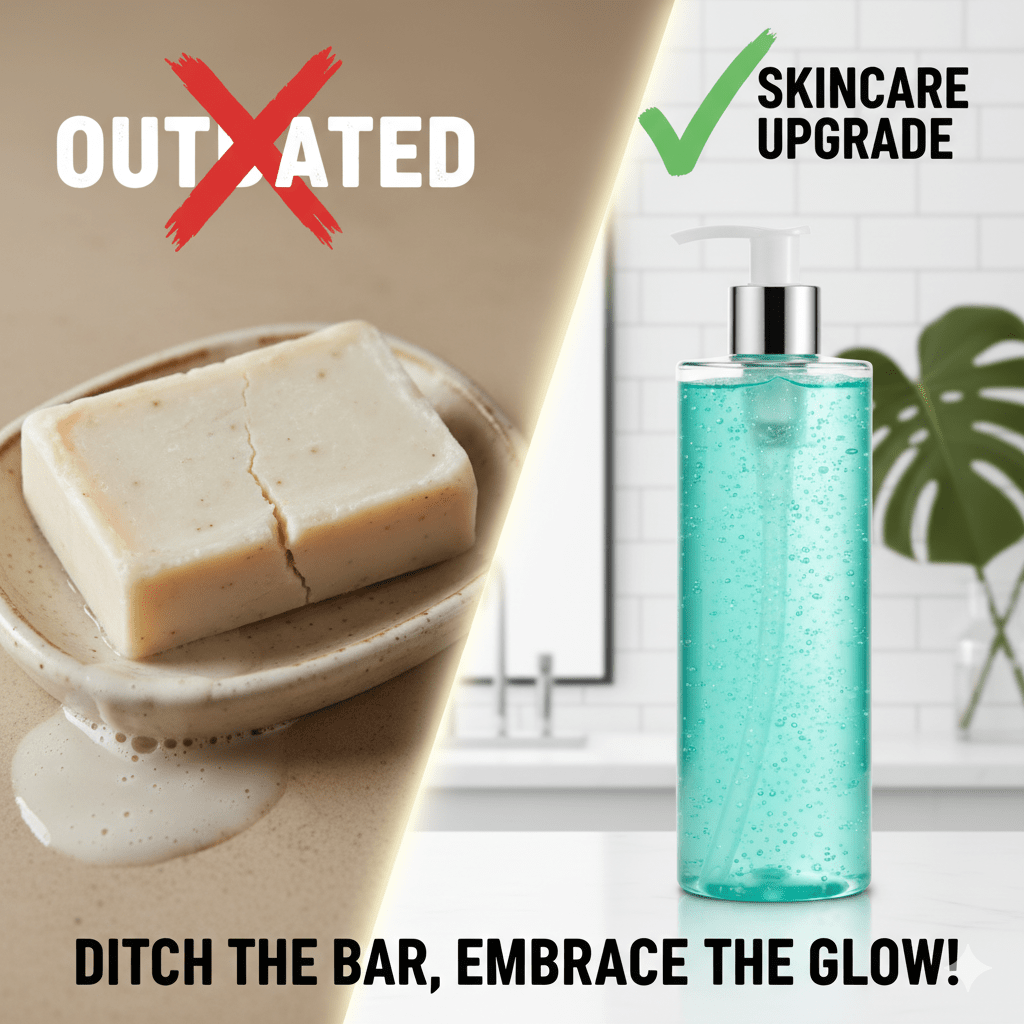
The problem often lies in the formulation. Many traditional bar soaps have a higher, more alkaline pH than your skin’s natural level. This mismatch can disrupt your skin’s protective barrier, leading to dryness and irritation. Plus, let’s be honest: a bar sitting in a soggy dish, used by multiple people, isn’t exactly the pinnacle of hygiene.

Why Bar Soap should be retired;

  • It’s an Unhygienic

 Every time that bar sits wet in the soap dish, it’s exposed to moisture and the air. The bacteria, dead skin, and gunk you just washed off your body? They chill right there on the surface, waiting for the next use. It’s a bacteria transfer station. Shower gel, sealed in its bottle, is contact-less and sterile—the only thing touching it is your clean hand or a fresh loofah. Period.

  • It’s a Skin pH Villain

Most traditional bar soaps are high-pH (alkaline). Your skin is naturally slightly acidic, and that high pH strips your skin of its natural moisture barrier. This leads to that tight, dry, sometimes itchy feeling. Shower gels are specifically formulated to be pH-balanced and gentle, keeping your skin barrier safe from being totally cooked. 

  • The Visual slay?

That soggy, cracked, slimy bar of soap does not scream “Luxury Spa Vibe.” Shower gels, with their sleek pumps, are part of the intentional aesthetic of a clean, modern bathroom.

​✨ Why Shower Gel is the Main Character

​Switching is an upgrade to your entire lifestyle. Shower gels are formulated with nourishing oils that actively hydrate and cleanse. You get a clean feel without the tight dryness. Plus, they deliver scents that slay and a rich, foamy lather that makes the cleansing experience feel like a hug. 

​The Verdict: If you’re still clinging to that drying, bacteria-laden soap bar, you’re low-key leaving your skin barrier unprotected and missing out on an easy daily luxury. Ditch the bar. Grab the gel. Your skin will thank you.
 Skin Cycling

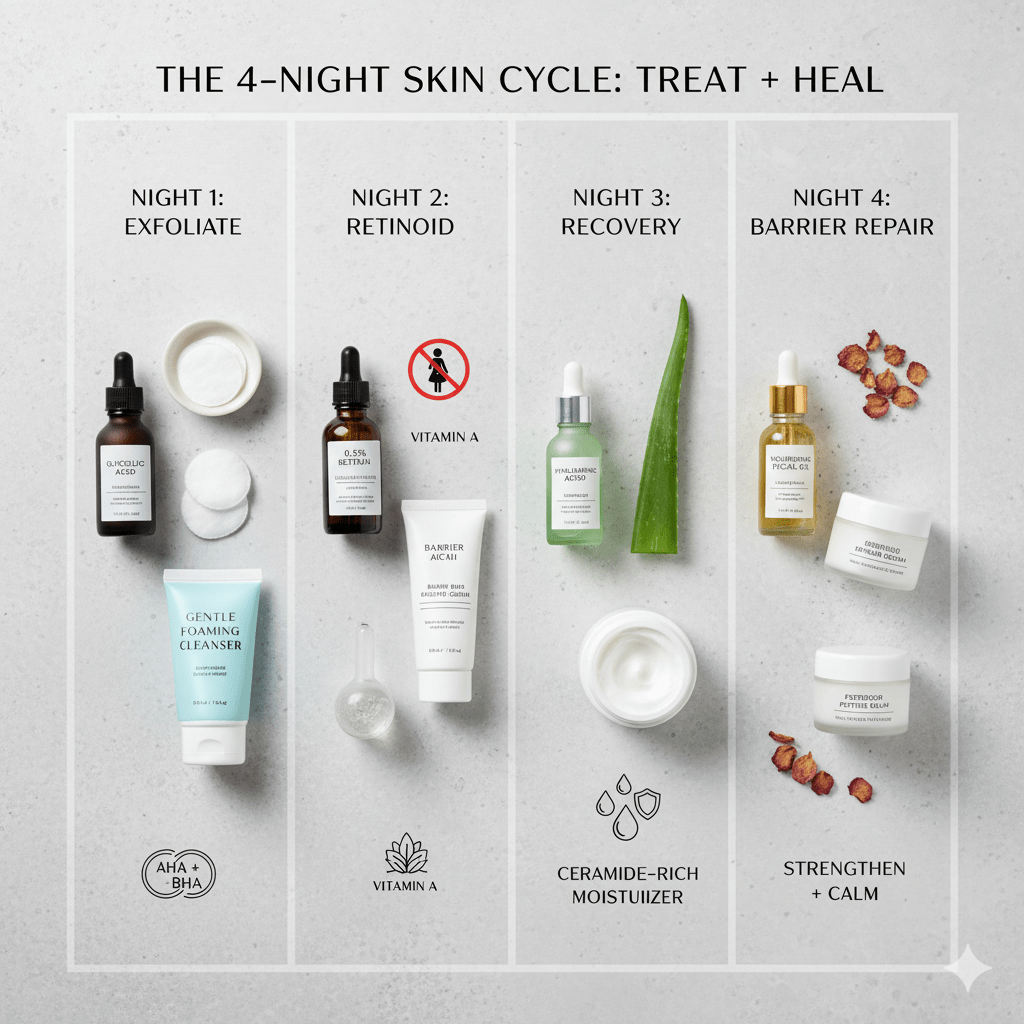
Skin cycling is an easy, four-night routine that helps you use strong skincare ingredients without causing irritation. Think of it as a workout plan for your face—you need rest days!

Here’s the simple 4-Night Cycle:

  • Night 1: Exfoliate. Wash your face, then use a chemical exfoliant (like a gentle acid). This clears away dead skin cells for a fresh start. Follow with a simple moisturizer.
  • Night 2: Retinoid. After cleansing, apply your retinoid product (retinol). This ingredient helps with texture and signs of aging. Finish with your moisturizer. Retinoids should be avoided if you are pregnant.
  • Night 3: Recovery. Skip the active ingredients! Just cleanse and use a super hydrating and soothing moisturizer to help your skin barrier repair itself.
  • Night 4: Recovery. Another night of gentle cleansing and deep moisturizing. This rest period is key to preventing dryness and irritation from the powerful products used earlier in the cycle.

After Night 4, you simply start over with Night 1. This balanced approach lets you get the best results from your potent products while keeping your skin happy and healthy!

The 4-Night Product Cycle

NightFocusKey Product TypeKey Ingredients to Look For
Night 1ExfoliationChemical Exfoliant (A leave-on serum or toner)AHAs (Glycolic Acid, Lactic Acid) or BHAs (Salicylic Acid). Use a gentle formula.
Night 2Power ActiveRetinoid (A serum or cream)Retinol (over-the-counter) or stronger Retinal/Retinoid (for experienced users). Start with a low concentration.
Night 3RecoveryHydrating Serum & Barrier CreamHyaluronic Acid, Ceramides, Glycerin, Niacinamide (focus on moisture/soothing).
Night 4RecoveryBarrier Repair MoisturizerCeramides, Peptides, Squalane, or a nourishing Facial Oil.

In conclusion, skin cycling isn’t a complicated trend; it’s a smart, sustainable strategy for using powerful skincare ingredients like retinoids and exfoliants. By dedicating four nights to this simple pattern—two nights of active treatment followed by two nights of essential recovery—you’re actively working to avoid irritation, dryness, and inflammation.

Remember, consistency is key! This balanced approach allows you to reap the rewards of clear texture and reduced signs of aging while keeping your skin barrier protected and happy. Start your cycle today, listen to your skin, and enjoy the journey to your healthiest complexion yet!

Dead skin

Exfoliation is vital for every skin type. It involves the process of removing dead skin cells from the outermost layer of your skin. This is an important step in skincare that complements your skin’s natural cell turnover process. While your skin naturally sheds dead cells, factors like age, sun exposure, genetics, and certain skin conditions can slow this down, leading to a buildup of dead skin.

Why exfoliation is important;

  1. Dead skin cells can make your complexion appear dull and tired. Removing them unveils the fresh, new skin cells underneath, leading to a more vibrant and healthy glow.
  2. A buildup of dead skin can result in a rough, uneven, or flaky texture. Exfoliation smoothens the skin, making it feel softer and appear more refined.
  3. Dead skin cells, when mixed with excess oil and dirt, can clog pores. This creates a breeding ground for bacteria, leading to blackheads, whiteheads, and acne breakouts. Regular exfoliation helps to keep pores clear and reduces the likelihood of blemishes.
  4. A layer of dead skin acts as a barrier, preventing your serums, moisturizers, and other skincare products from penetrating effectively. By removing this barrier, exfoliation allows your products to absorb deeper into the skin, maximizing their efficacy and ensuring you get the most out of your skincare routine.
  5. As we age, cell turnover slows, and dead skin can accumulate in creases, making fine lines and wrinkles appear more prominent. Exfoliation encourages cellular renewal, which can help to plump the skin and reduce the visibility of these signs of aging.
  6. Exfoliating helps to shed off pigmented skin cells, which can contribute to dark spots, sun spots, and uneven skin tone. Regular removal of these cells promotes a more uniform complexion.
  7. For those who shave or wax, dead skin cells can trap hairs beneath the skin’s surface, leading to painful and unsightly ingrown hairs. Exfoliation helps to clear the path for hairs to grow out correctly.
  8. Some forms of exfoliation, particularly chemical exfoliants like AHAs and retinoids, can stimulate collagen synthesis. Collagen is a protein vital for skin elasticity and firmness, contributing to a more youthful appearance.
  9. The act of exfoliating, especially with physical methods, can increase blood flow to the skin’s surface, which brings nutrients and oxygen, further contributing to a healthy glow.

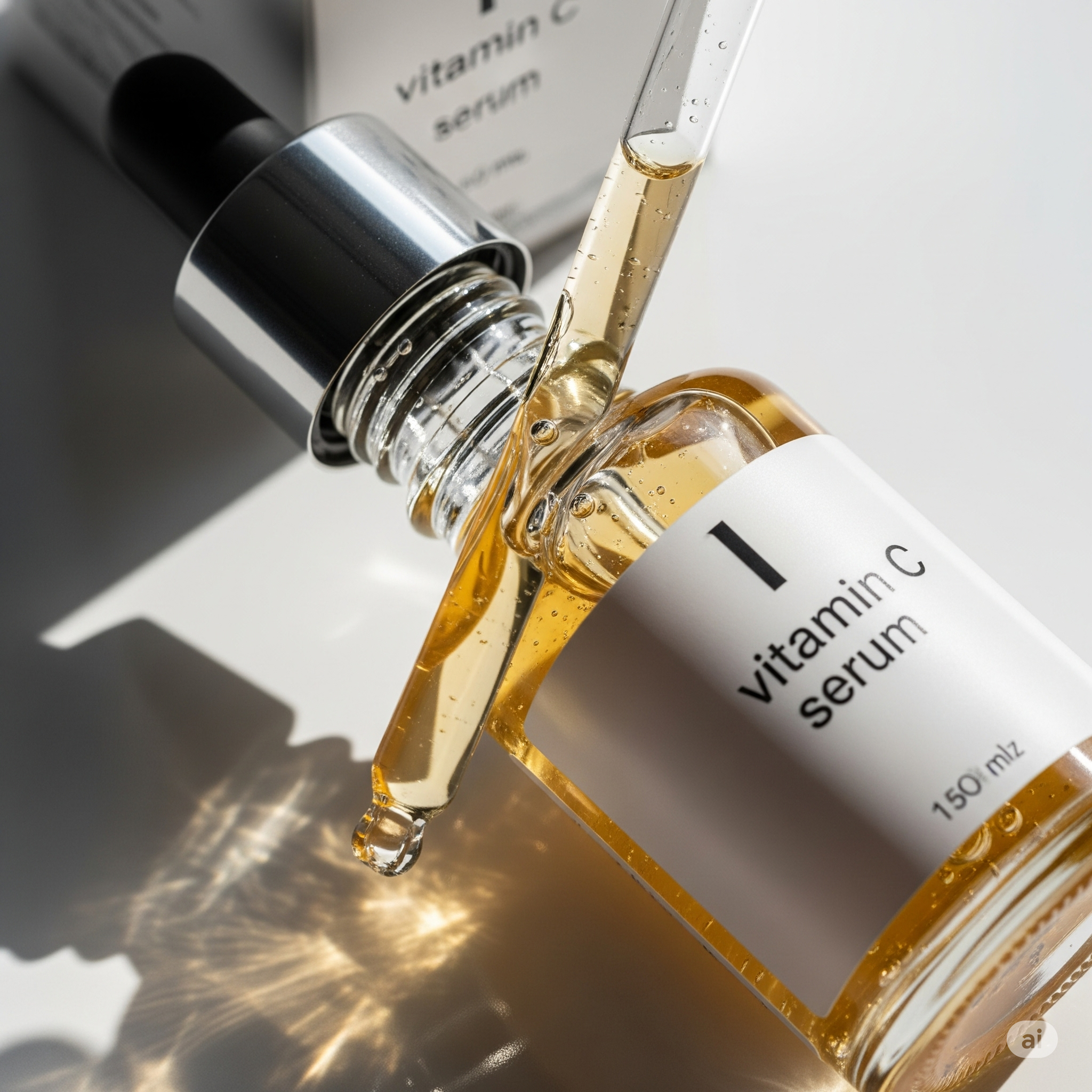
VITAMIN C SERUM

Here are some of the benefits of this a must have product;

Boosts Collagen Production:

  • Firms the skin: Collagen is an important protein that provides structure and elasticity to the skin. The collagen production naturally declines as we age leading to sagging of skin and wrinkles. Vitamin C plays an important role in stimulating new collagen growth and maintaining existing collagen.

Brightens Skin and Evens Tone:

  • Reduces Hyperpigmentation: Vitamin C inhibits melanin production by down regulating the activity of tyrosinase, an enzyme responsible for skin pigment. This makes it highly effective in fading hyperpigmentation.
  • Enhances Radiance: By reducing dark spots and promoting a more even skin tone, vitamin C serum can significantly improve overall skin radiance and give your complexion a youthful glow.

Reduces Redness and Inflammation:

  • Soothing Properties: Vitamin C has anti-inflammatory properties that can help soothe irritated skin, reduce redness, and calm conditions like acne and rosacea.

Improves Skin Hydration

  • Retains Moisture: Certain forms of topical vitamin C, like magnesium ascorbyl phosphate, have been shown to improve skin hydration by decreasing trans epidermal water loss (TEWL), allowing your skin to retain moisture better.
  • Supports Skin Repair: Vitamin C helps in the skin’s natural repair process, which can help in wound healing and reducing the risk of scarring, including acne scars.