
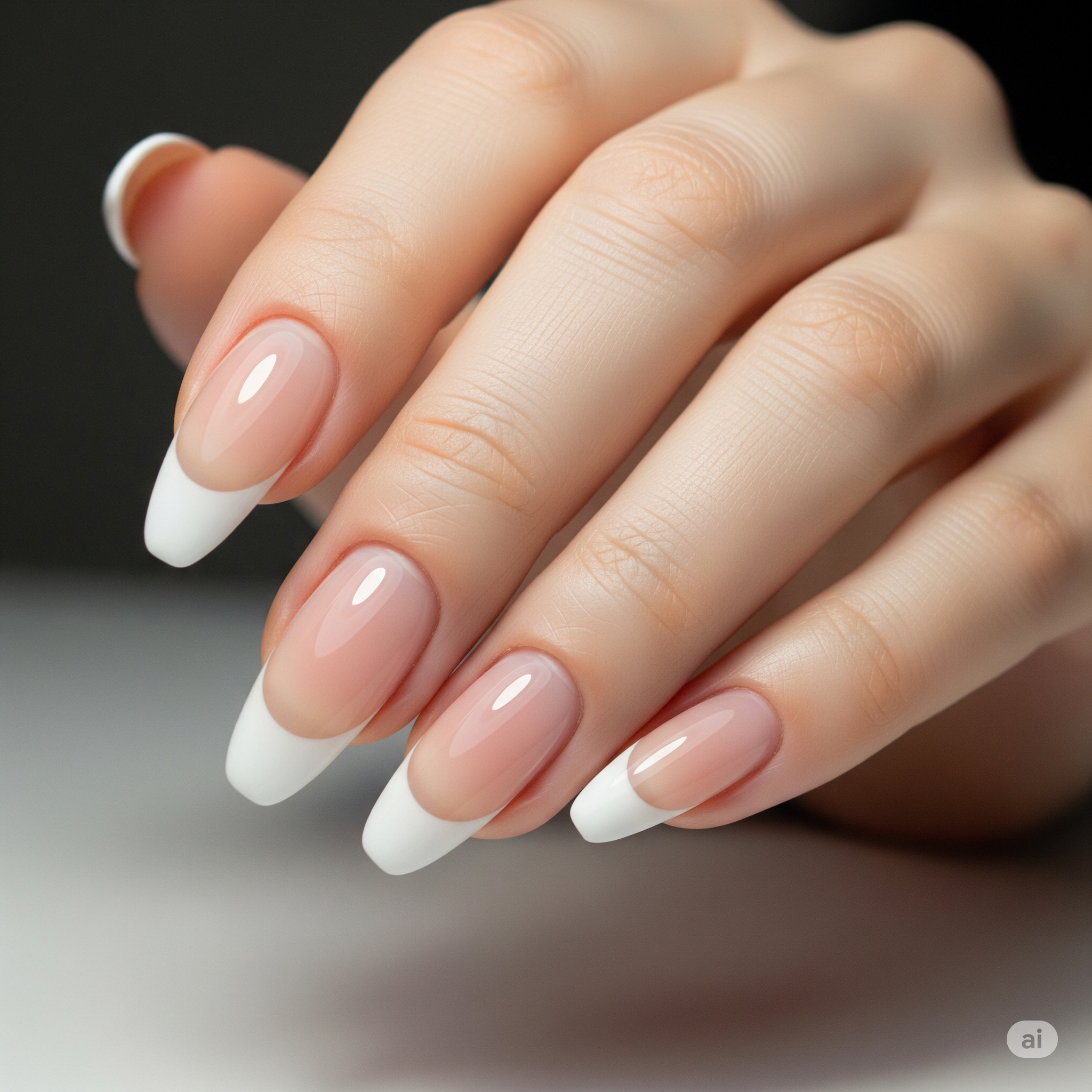
The rise of LED lamps in nail salons has revolutionized the gel manicure, offering a quicker, more durable alternative to traditional polish. However, the convenience of this popular beauty treatment comes with a range of health considerations for both the clients who enjoy the long-lasting results and the nail technicians who are exposed to the materials and processes daily.
There is a common misconception that LED lamps are entirely free of UV radiation. They do emit UVA rays, which are known to contribute to skin aging and, with cumulative exposure over time, can increase the risk of skin cancer. While the risk from occasional manicures is considered low by many experts, frequent clients and nail technicians who are exposed daily should be aware of the potential long-term effects.
The risk of UVA exposure is significantly higher for nail technicians due to the frequency and duration of their exposure throughout the workday. The cumulative effect of this daily exposure over many years can substantially increase their risk of premature skin aging and skin cancer on their hands.
There is also allergic reaction which often manifests as redness, itching, swelling, blisters, and in some cases, the lifting of the nail from the nail bed. The primary trigger for this is often improperly cured gel polish. If the LED lamp is not compatible with the specific brand of gel polish, or if the curing time is insufficient, uncured chemical components can come into contact with the skin, leading to sensitization and an allergic reaction over time.
For nail technicians, the risk of developing this allergy is heightened due to the increased likelihood of accidental skin contact with uncured products during application and removal. Once an allergy to methacrylates develops, it is a lifelong sensitivity and can have implications for future medical and dental procedures that use similar acrylic materials.
In conclusion, while LED-cured gel polish offers a convenient and long-lasting nail solution, it is essential to be aware of the associated health effects. For clients, taking simple protective measures can significantly reduce the risks. For nail technicians, the occupational hazards are more pronounced, underscoring the critical need for proper ventilation, personal protective equipment such as gloves and masks, and comprehensive training on safe handling practices to mitigate the long-term health consequences of their profession.
 Tuvi's Space
True
LikeLike
Very informative
LikeLiked by 1 person
Very educative. Now I’m gonna minimize the number of times I expose myself to the uv radiations
LikeLiked by 2 people